Eitan Ingall, MD

Eitan Ingall
December 9, 2025

About the Author

Eitan Ingall, MD, is an orthopedic foot and ankle surgeon on the medical staff at Baylor Scott & White Medical Center – McKinney.

orthopedic surgery foot and ankle

Foot and ankle pain is incredibly common, affecting athletes, active adults, and individuals with previous injuries or underlying conditions. While sprains, strains, and tendon issues often receive most of the attention, cartilage injuries in the foot and ankle can be just as debilitating – sometimes even more so. Cartilage damage often develops silently until the pain becomes severe enough to disrupt daily life.

This comprehensive guide explains what happens when cartilage breaks down, how foot cartilage injury and ankle cartilage injuries are diagnosed, and when advanced orthopedic surgery foot and ankle becomes necessary. If you’re exploring treatment options or searching for long-term relief, understanding these conditions can help you make informed decisions about your care.

What Is a Cartilage Injury in the Foot or Ankle?

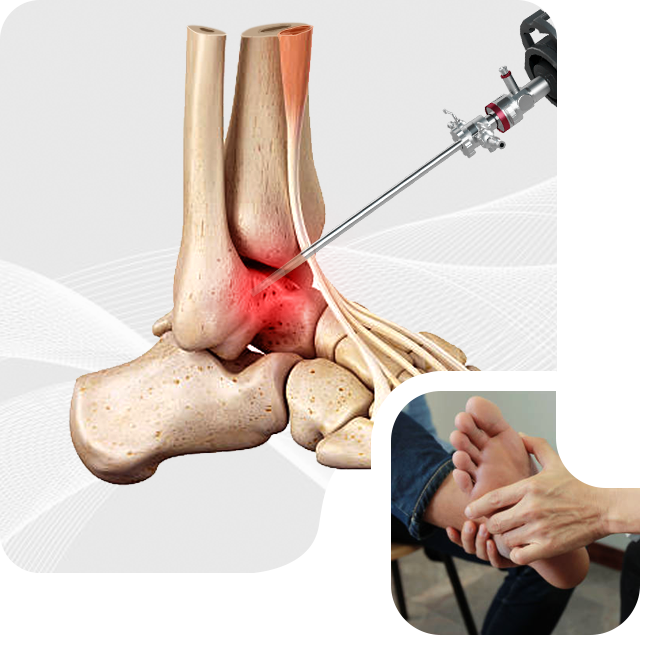
Cartilage is a smooth, flexible tissue that cushions joints and enables pain-free movement. In the foot and ankle, cartilage covers the surfaces of multiple small bones that work together to support weight, absorb impact, and allow movement.

A foot cartilage injury or ankle cartilage injury occurs when this protective layer becomes damaged due to:

  • Acute trauma, such as an ankle sprain or fracture
  • Repeated micro-injuries from running, jumping, or high-impact sports
  • Degenerative changes, including post-traumatic arthritis
  • Poor joint alignment, causing uneven pressure
  • Chronic ligament instability

When cartilage is worn down or torn, the bones no longer glide smoothly. Instead, they grind or catch on each other, leading to pain, swelling, and reduced mobility.

Common Symptoms of Foot and Ankle Cartilage Injuries

Cartilage damage may initially feel like a mild sprain or soreness, but symptoms often worsen over time.

Typical signs include:

  • Sharp pain inside the joint
  • Swelling or stiffness after activity
  • A clicking, grinding, or catching sensation
  • Difficulty walking on uneven surfaces
  • Limited ankle or foot motion
  • Pain that worsens with weight-bearing
  • Locking of the ankle joint in severe cases

If these signs persist for more than one or two weeks, it may indicate an underlying cartilage problem that requires medical evaluation.

How Cartilage Injuries Are Diagnosed

Because cartilage does not appear well on standard X-rays, diagnosing these injuries often requires specialized imaging.

A foot and ankle orthopedic specialist may use:

1. Physical Examination

  • Range-of-motion tests
  • Joint stability assessment
  • Gait analysis

2. Imaging Studies

  • X-rays to rule out fractures or joint misalignment
  • MRI to assess cartilage thickness and detect tears
  • CT scans for bone-related cartilage defects
  • Diagnostic arthroscopy – a minimally invasive procedure allowing direct visualization inside the joint

Early diagnosis is key to preventing long-term joint deterioration and chronic pain.

Non-Surgical Treatment Options

Not all cartilage injuries require surgery. Many patients benefit from conservative care, especially when the damage is mild or caught early.

  1. Rest and Activity Modification

Reducing high-impact activities helps protect damaged cartilage.

  1. Bracing or Ankle Support

Stabilizes the joint and reduces pressure on injured areas.

  1. Medications

Anti-inflammatory drugs can reduce swelling and discomfort.

  1. Physical Therapy

Strengthening surrounding muscles helps support the joint and improve alignment.

  1. Injection Therapy

Depending on the injury, injections may include:

  • Corticosteroids for inflammation
  • Hyaluronic acid for joint lubrication
  • PRP (platelet-rich plasma) to promote tissue healing

While these methods may relieve symptoms, they may not completely repair deeper cartilage damage – especially if the injury is severe.

Advanced Ankle Cartilage Injury Treatment

When conservative care does not provide relief, it may be time to explore more advanced options. Surgical treatment is often recommended for:

  • Full-thickness cartilage defects
  • Chronic or recurring ankle pain
  • Large or unstable cartilage lesions
  • Mechanical symptoms like locking or catching
  • Post-traumatic injuries that failed to heal

Below are the most common procedures used in ankle cartilage injury treatment and foot cartilage repair.

1. Microfracture Surgery

This technique stimulates new cartilage growth by creating tiny holes in the underlying bone. The procedure encourages the body to form new fibrocartilage.

Best for: smaller cartilage lesions
Recovery: Typically 6–12 weeks before returning to normal activities

2. Debridement and Chondroplasty

Damaged cartilage fragments or rough edges are smoothed or removed to reduce joint irritation.

Best for: mild to moderate cartilage wear

3. Osteochondral Autograft Transfer (OATS)

Healthy cartilage from another part of the joint is transplanted to the damaged area.

Best for: medium-sized cartilage lesions

4. Allograft Transplantation

Donor cartilage is used to replace large areas of damage when the patient’s own tissue is insufficient.

Best for: large or complex injuries

5. Autologous Chondrocyte Implantation (ACI)

A two-stage procedure where cartilage cells are harvested, grown in a lab, and then re-implanted into the defect.

Best for: younger, active patients with significant cartilage loss

6. Realignment or Stabilization Procedures

If cartilage was damaged due to joint misalignment or instability, correcting the underlying issue is essential.

May include:

  • Ligament reconstruction
  • Osteotomies (bone realignment)
  • Ankle stabilization procedures

Advanced orthopedic surgery foot and ankle techniques ensure precise reconstruction, improved joint function, and better long-term results.

Recovery and Rehabilitation After Cartilage Surgery

Recovery timelines depend on the size of the cartilage defect and the type of procedure performed.

Most patients can expect:

Phase 1: Protection (0–6 weeks)

  • Limited or no weight-bearing
  • Use of a brace or boot
  • Swelling control

Phase 2: Early Rehabilitation (6–12 weeks)

  • Gentle motion exercises
  • Beginning light weight-bearing
  • Muscle activation exercises

Phase 3: Strengthening (3–6 months)

  • Balance training
  • Strength building
  • Low-impact cardio

Phase 4: Return to Activity (6–12 months)

  • Gradual return to sports or high-impact activities

Following a personalized rehab plan is critical for long-term success.

Prevention Tips for Protecting Foot and Ankle Cartilage

While not all injuries can be prevented, taking the following steps may reduce your risk:

1. Wear Proper Footwear

Supportive shoes reduce joint stress.

2. Strengthen Foot and Ankle Muscles

Increases stability and reduces injury risk.

3. Warm Up Before Activity

Prepares joints and muscles for impact.

4. Avoid Repetitive High-Impact Movements

Cross-training reduces repetitive stress.

5. Seek Treatment for Sprains Early

Untreated sprains often lead to chronic instability and cartilage damage.

6. Maintain a Healthy Weight

Less pressure on the joints means less cartilage wear.

When to Consider Orthopedic Surgery for Foot and Ankle Cartilage Damage

Surgery is generally recommended when:

  • Pain persists despite conservative care
  • Cartilage damage affects joint stability
  • Mechanical symptoms (catching or locking) interfere with movement
  • Damage is large or worsening
  • An athlete needs to return to activity with optimal function

If you’ve been experiencing long-term pain, instability, or mobility issues, a consultation with a specialist in orthopedic surgery foot and ankle can determine whether surgical repair may be the right option.

Conclusion

Cartilage injuries in the foot and ankle are serious conditions that can impair mobility and quality of life. Understanding the causes, symptoms, and treatment options empowers you to take control of your health. Non-surgical treatments may offer relief for mild injuries, but advanced techniques like microfracture, grafting, or realignment may be necessary for more severe damage.

Whether you’re dealing with a foot cartilage injury or seeking effective ankle cartilage injury treatment, proper evaluation by an orthopedic specialist is essential for long-term joint health, mobility, and comfort.

If you are experiencing chronic foot or ankle pain and considering advanced treatment options, an experienced orthopedic surgeon can guide you through diagnosis, non-surgical care, and innovative surgical solutions to help you regain your mobility and quality of life.

Leave a Reply

Your email address will not be published. Required fields are marked *